Acne-prone skin needs a skincare routine that is consistent, gentle, and suited to the skin’s changing needs throughout the day. Excess oil, clogged pores, dead skin cells, environmental pollution, stress, hormonal changes, and unsuitable skincare products can all contribute to breakouts. While many people immediately turn to strong products when acne appears, a simpler approach that supports cleansing, hydration, skin comfort, and barrier care can often be easier to maintain. Herbal skincare has become increasingly popular among people who prefer plant-based ingredients and traditional wellness-inspired routines. However, “herbal” does not automatically mean suitable for every skin type, so ingredients should still be selected carefully, introduced gradually, and used according to individual skin needs.
A well-planned morning and night routine can help acne-prone skin stay clean without becoming excessively dry or irritated. The objective should not be to completely strip oil from the skin or aggressively treat every blemish. Instead, an effective routine focuses on maintaining skin hygiene, supporting the skin barrier, managing excess oil, keeping pores clear, and reducing unnecessary irritation. Products such as a gentle cleanser, suitable Anti Acne Face Pack, lightweight moisturizer, and daytime sunscreen can become part of a balanced routine. For those exploring Herbal skincare for acne, Somara Ayurveda offers a range of Ayurveda-inspired skincare products that can be incorporated thoughtfully into a broader skin wellness routine.
What Is Herbal Skincare for Acne-Prone Skin?
Herbal skincare generally refers to skincare products that incorporate botanical ingredients, plant extracts, herbs, flowers, roots, or other naturally derived components. In traditional Indian wellness practices, many botanical ingredients have historically been used in personal care routines. Modern herbal skincare combines some of these traditional ingredients with contemporary product formulation and skin-friendly application methods.
For acne-prone skin, the goal of herbal skincare should be gentle support rather than aggressive treatment. Some botanical ingredients may help cleanse the skin, provide antioxidants, soothe the appearance of irritation, or support a comfortable skin barrier. However, individual reactions can vary significantly. An ingredient that works well for one person may cause irritation for another, particularly when the skin barrier is already compromised.
This is why choosing the Best Herbal Skincare for Acne should not be based only on the word “herbal.” Look at the complete ingredient list, formulation, intended use, fragrance level, your skin sensitivity, and how frequently the product is recommended to be used. Patch testing a new product is also a sensible step, particularly if you have sensitive or reactive skin.
Why Acne-Prone Skin Needs a Different Routine
Acne-prone skin can be oily, dry, combination, sensitive, or a mixture of these characteristics. Some people experience frequent blackheads and whiteheads, while others primarily deal with inflammatory pimples. Because of this variation, there is no single skincare routine that works identically for everyone.
One of the most common mistakes is over-cleansing. When people notice excess oil, they may wash their face repeatedly or use harsh cleansers. This can leave the skin feeling tight and uncomfortable and may disrupt the skin barrier. Similarly, frequent scrubbing can create unnecessary friction and make already-irritated skin feel worse.
An acne-friendly routine should therefore focus on consistency rather than intensity. Gentle cleansing, appropriate hydration, sun protection, and carefully selected treatment products can form a practical foundation.
Morning Herbal Skincare Routine for Acne-Prone Skin
The morning routine should prepare the skin for the day without making it unnecessarily complicated. Since the skin is exposed to sunlight, heat, pollution, dust, makeup, and environmental stressors during the day, cleansing and sun protection are particularly important.
Step 1: Begin With a Gentle Cleanse
Start the morning by cleansing your face with a mild cleanser suitable for your skin type. The purpose of cleansing is to remove overnight sweat, excess oil, and residue without excessively drying the skin.
If your skin is very oily, you may prefer a cleanser that leaves the skin feeling fresh without creating a tight sensation. If your skin is sensitive or dry while still being acne-prone, an especially gentle cleanser may be more appropriate.
Avoid using very hot water and avoid vigorous rubbing. Use lukewarm water and gently massage the cleanser before rinsing.
Step 2: Use a Lightweight Hydrating Product
Acne-prone skin still needs hydration. Skipping moisturizer because your skin is oily can sometimes make your routine feel unbalanced. Instead, choose a lightweight, non-comedogenic moisturizer appropriate for your skin.
Hydration supports the skin barrier and can make the skin more comfortable, especially when other acne-focused products are being used. A balanced routine is generally preferable to repeatedly drying out blemishes.
Step 3: Apply Sunscreen
Sunscreen is an important part of a daytime skincare routine. Exposure to ultraviolet radiation can contribute to skin damage and may make the appearance of post-acne marks more noticeable.
Choose a sunscreen that feels comfortable enough to use consistently. If you dislike the texture of a sunscreen, you may be less likely to apply it regularly, so personal comfort matters.
Sunscreen should generally be the final step of your morning skincare routine before makeup, if makeup is part of your routine.
Night Herbal Skincare Routine for Acne-Prone Skin
The night routine is an opportunity to remove the day’s buildup and give the skin a simple, comfortable environment while you sleep. Unlike the morning routine, sunscreen application is not required at night, so the focus can be on cleansing, hydration, and selected skincare treatments.
Step 1: Remove Makeup and Sunscreen
If you wear makeup or sunscreen, make sure it is properly removed before going to bed. Leaving makeup, sunscreen residue, sweat, or environmental debris on the skin overnight can contribute to an unclean skin surface.
Use a suitable makeup remover or cleansing method before following with a gentle cleanser if needed. Avoid excessive rubbing around the eyes or areas with active blemishes.
Step 2: Cleanse Gently
A gentle evening cleanse can remove oil, sweat, pollution, and product residue accumulated throughout the day. The objective is clean skin, not squeaky-dry skin.
If your face feels extremely tight immediately after cleansing, your cleanser or cleansing frequency may not be appropriate for your skin. Acne care should not come at the expense of basic skin comfort.
Step 3: Consider a Carefully Selected Herbal Treatment
This is where a product such as an herbal face pack can be introduced depending on your skin’s needs and the product’s directions. An Acne face pack can be used as an occasional treatment rather than necessarily becoming a daily step.
Face packs should be applied according to their formulation instructions. More frequent use does not automatically produce better results. If the skin becomes dry, irritated, burning, or excessively tight after using a face pack, discontinue it and reassess the routine.
Step 4: Finish With Moisturization
After cleansing or treatment, use an appropriate moisturizer to maintain skin comfort. Even when managing oily or acne-prone skin, hydration remains an important part of maintaining a healthy-looking skin barrier.
How Often Should You Use an Acne Face Pack?
An Acne Face Pack can be useful as an occasional addition to a skincare routine, but frequency depends on its ingredients and your individual skin tolerance. Some formulations may be designed for occasional use, while others may have different directions.
A common mistake is assuming that using a face pack every day will make acne disappear faster. Excessive use of cleansing or exfoliating treatments can potentially irritate the skin. Always follow the manufacturer’s directions and monitor how your skin responds.
When using a new face pack, introduce it gradually. Avoid combining multiple new active products at the same time because it becomes difficult to determine which product is causing irritation if your skin reacts.
Herbal Ingredients Commonly Associated With Skincare
Different herbal skincare formulations use different botanical ingredients. Some traditional ingredients are popular because of their long history in personal care, while modern formulations may combine them with contemporary skincare ingredients.
Ingredients such as neem, turmeric, aloe vera, rose, manjistha, and other botanical extracts are frequently associated with Indian herbal skincare traditions. Their suitability depends on formulation, concentration, skin type, and individual sensitivity.
The important point is that an ingredient’s traditional use does not guarantee that every formulation containing it will work for every person. Product quality, formulation stability, hygiene, usage instructions, and individual skin response are all relevant.
Choosing the Best Herbal Skincare for Acne
When searching for the Best Herbal Skincare for Acne, focus on the overall routine rather than looking for one “miracle” product. Acne is a complex skin concern, and a single face pack or cleanser should not be expected to solve every issue.
Look for products that fit your skin type and avoid introducing too many products simultaneously. If you have sensitive skin, fragrance sensitivity, or a history of reactions, check the ingredient list carefully.
It is also useful to consider whether the product fits into your existing routine. A good skincare product is one you can use consistently without causing excessive dryness or discomfort.
Why Over-Exfoliating Can Be a Problem
Exfoliation can be useful in certain skincare routines, but more is not always better. Acne-prone skin is sometimes treated with frequent scrubbing because people believe that physically removing dead skin cells will prevent breakouts.
Aggressive scrubbing can create friction and irritation, particularly around active blemishes. Instead of repeatedly rubbing the skin, focus on gentle cleansing and carefully selected treatments.
If you already use several products containing exfoliating or active ingredients, adding an additional strong scrub or face pack without considering the total routine can increase the chance of irritation.
The Role of Moisturization in Acne Skincare
Moisturization is sometimes overlooked in acne routines because people associate acne with oily skin. However, acne-prone skin can also become dehydrated or irritated, especially when using cleansing and treatment products.
A suitable moisturizer helps maintain a comfortable skin barrier and can make a routine easier to tolerate. People with oily skin may prefer lightweight gel or lotion textures, while those with dry or combination skin may need something more nourishing.
The best choice depends on individual skin characteristics rather than simply whether a product is marketed for acne.
How Somara Ayurveda Can Fit Into an Herbal Skincare Routine
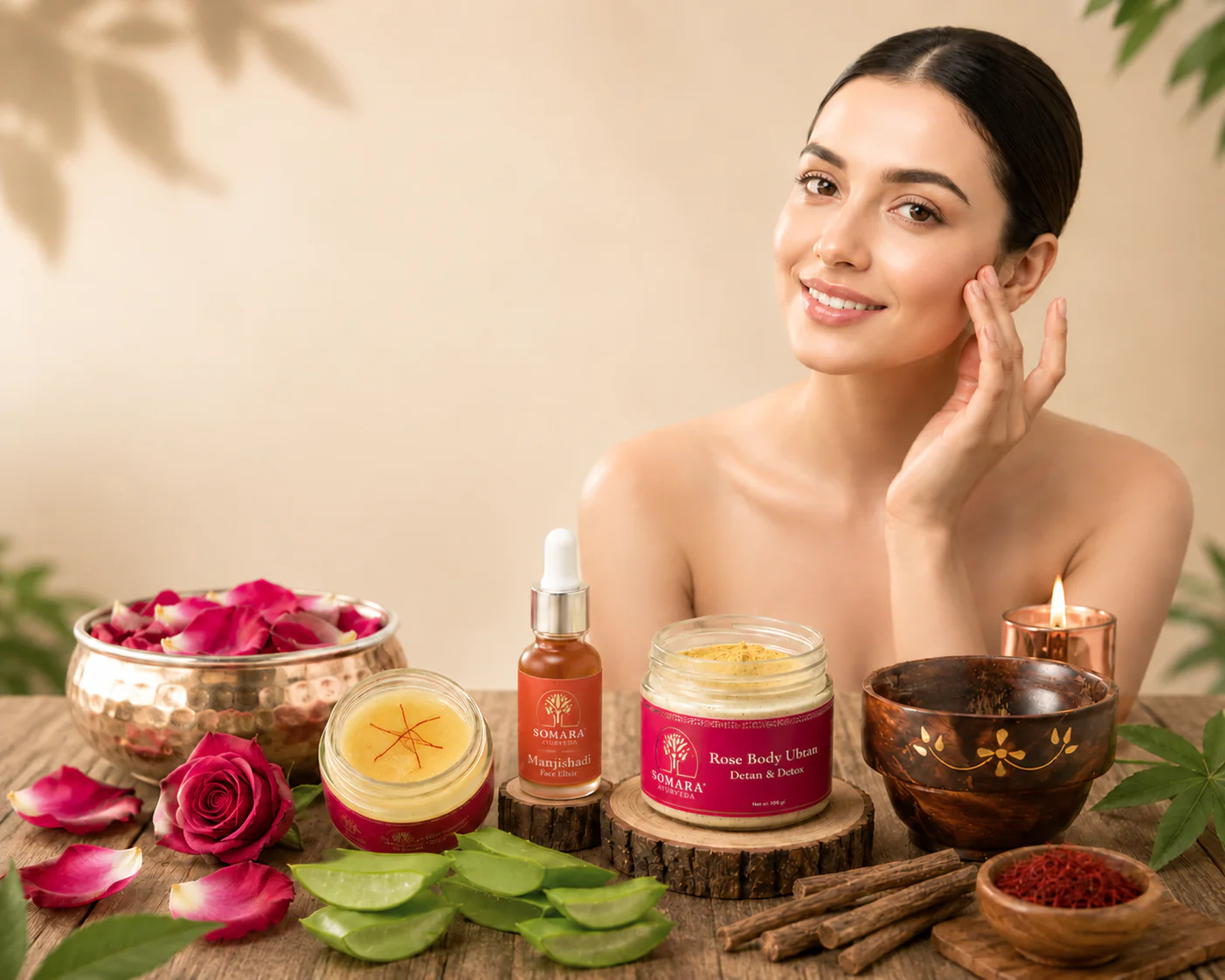
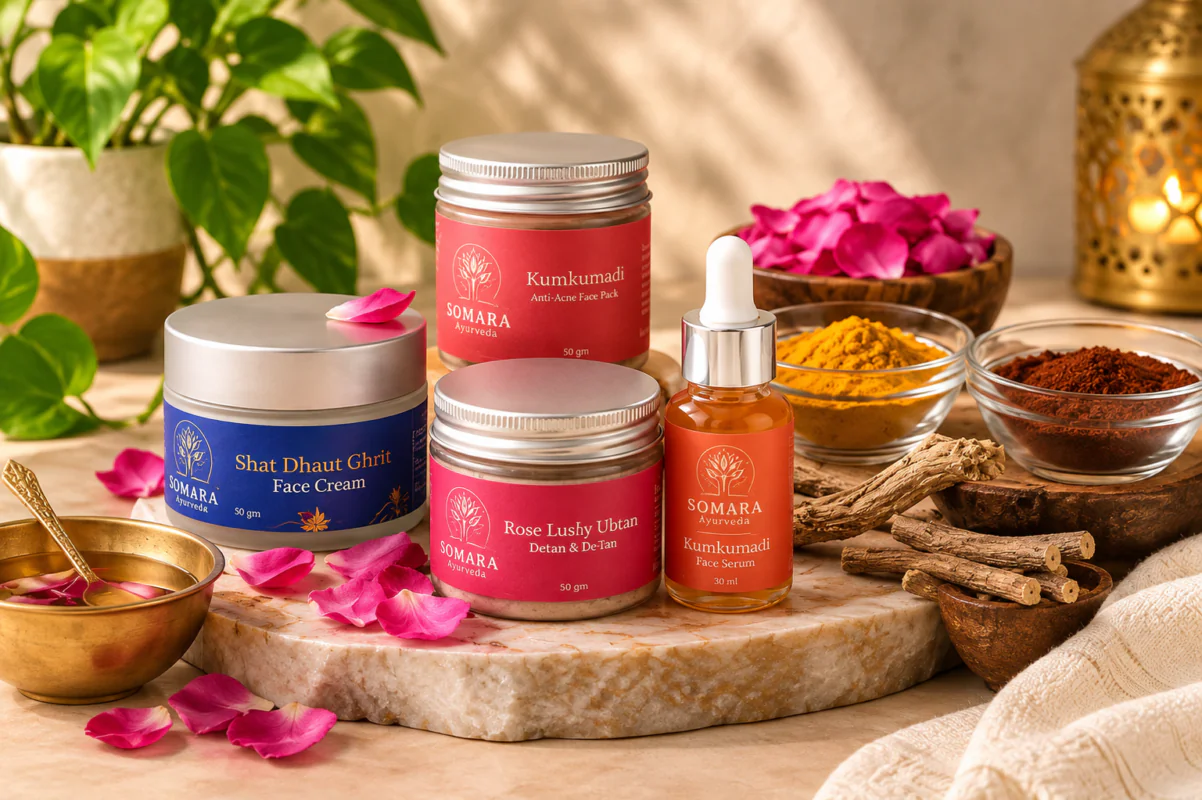
For people interested in botanical and Ayurveda-inspired personal care, Somara Ayurveda offers skincare products that can be considered as part of a thoughtful routine. Its range includes products designed around traditional Indian botanical skincare concepts, allowing users to build a routine based on their specific preferences and skin needs.
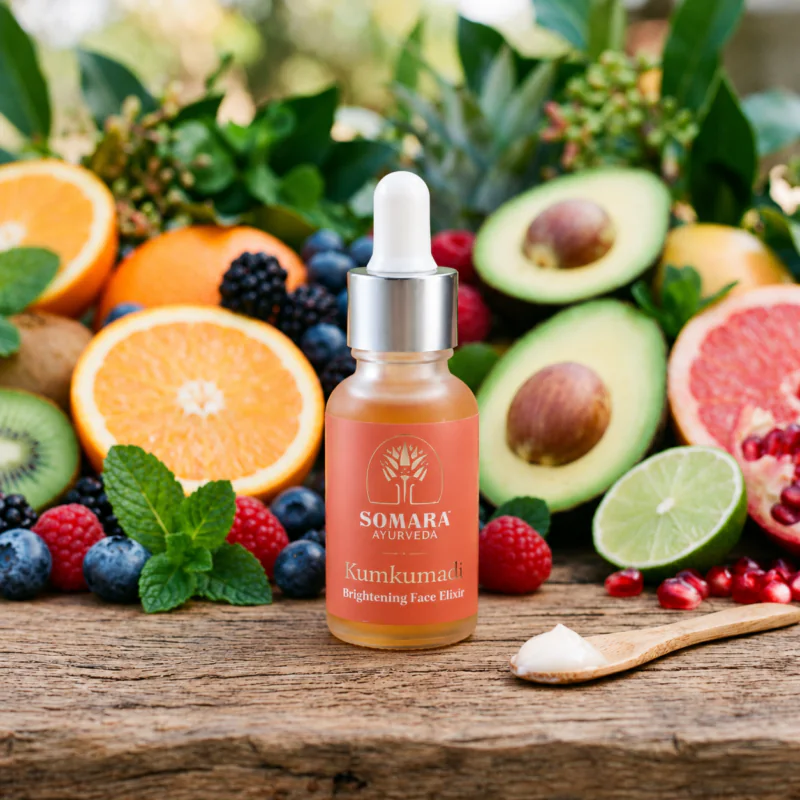
Products such as a face wash, face serum, face pack, mist, gel cream, or lip and body care product can serve different purposes within a broader skincare routine. The important approach is to avoid treating every product as an essential daily step. Instead, select products based on what your skin actually needs.
For acne-prone skin, a simpler routine may include gentle cleansing, suitable hydration, sun protection during the day, and an occasional treatment such as an Acne face pack when appropriate. If adding a Somara Ayurveda product to your routine, introduce one product at a time and observe how your skin responds.
This approach is more practical than changing your entire routine overnight. It also makes it easier to identify which products are comfortable and suitable for your skin.
Common Mistakes People Make With Acne Skincare
Acne skincare often becomes complicated because people try several products at once. They may combine scrubs, face packs, masks, serums, strong cleansers, spot treatments, and home remedies without considering how these products interact with the skin.
Another common mistake is constantly switching products. Skincare requires consistency, and changing products every few days makes it difficult to evaluate whether a routine is helping.
Some people also pick at pimples, which can increase inflammation and may contribute to marks. Keeping hands away from active blemishes is a simple but useful habit.
Finally, natural or herbal products should not be assumed to be risk-free. Essential oils, botanical extracts, fragrances, and other ingredients can cause reactions in some individuals. Always pay attention to how your skin responds.
A Simple 4-Step Routine for Acne-Prone Skin
Morning
- Gentle cleanser
- Lightweight moisturizer
- Suitable skincare treatment if needed
- Broad-spectrum sunscreen
Night
- Remove makeup and sunscreen
- Gentle cleanser
- Appropriate herbal treatment or face pack according to directions
- Moisturizer
Keeping the routine simple can make it easier to maintain consistently. You can add other products later if there is a clear reason to do so.
How Lifestyle Can Support an Acne-Friendly Skincare Routine
Skincare is only one part of overall skin health. Sleep, stress management, hygiene, exercise, diet, and environmental exposure can all influence how a person experiences their skin, although acne itself has multiple contributing factors.
Simple habits such as regularly changing pillowcases, keeping makeup tools clean, avoiding unnecessary face touching, removing makeup before sleeping, and choosing products suited to your skin can complement a consistent skincare routine.
Dietary changes should be approached carefully rather than based on internet claims. If you notice that specific foods consistently appear to affect your skin, discussing your observations with an appropriately qualified healthcare professional can be more useful than following restrictive trends.
When Should You See a Dermatologist?
A skincare routine can support general skin care, but persistent or severe acne may require professional evaluation. If acne is painful, widespread, leaving scars, suddenly worsening, or significantly affecting your confidence, consider consulting a dermatologist.
Professional guidance is particularly important when you are unsure whether what you are experiencing is acne or another skin condition. A dermatologist can assess the type and severity of the condition and recommend appropriate treatment.
Herbal skincare can be part of personal care, but it should not be presented as a replacement for medical treatment when clinical care is needed.
FAQs
Is herbal skincare good for acne-prone skin?
Herbal skincare can be suitable for some acne-prone skin types when products are appropriately formulated and used correctly. Botanical ingredients may support cleansing and skin comfort, but “herbal” does not guarantee that a product will suit everyone. Patch testing and gradual introduction are sensible approaches.
How often should I use an acne face pack?
The appropriate frequency depends on the specific formulation and its instructions. An acne face pack is generally better treated as a targeted or occasional skincare step rather than automatically used every day. Excessive use may cause dryness or irritation in some people.
Can I use herbal skincare products every day?
Some herbal skincare products are designed for daily use, while others are intended for occasional application. Always follow the product instructions and consider your skin type. Introduce new products gradually, especially if your skin is sensitive or prone to irritation.
Should oily acne-prone skin use moisturizer?
Yes. Oily skin can still need hydration. A lightweight, suitable moisturizer can help maintain skin comfort and support the skin barrier. Look for a texture that suits your skin and does not feel excessively heavy.
Is natural skincare always safe for acne?
Not necessarily. Natural and botanical ingredients can still cause irritation or allergic reactions in some individuals. The overall formulation, concentration, fragrance, application method, and personal sensitivity all matter. Always check the ingredients and stop using a product if you experience significant irritation.
Conclusion
A good acne skincare routine does not need to contain a large number of products. The most useful approach is often a consistent routine built around gentle cleansing, appropriate hydration, daytime sun protection, and carefully selected treatments. For people interested in Herbal skincare for acne, botanical-based products can be explored as part of this approach, provided they are selected thoughtfully and introduced according to skin tolerance.
An Acne Face Pack or other herbal treatment can complement a routine, but it should not be viewed as a standalone solution for persistent acne. Choosing the Best Herbal Skincare for Acne means considering your individual skin type, ingredients, formulation, usage instructions, and overall routine rather than relying solely on marketing claims.
Somara Ayurveda can be naturally incorporated into a botanical skincare routine for people who appreciate Ayurveda-inspired personal care and herbal formulations. Whether you are beginning with a simple cleanser and moisturizer or gradually introducing an Acne skincare product, consistency and skin awareness are more valuable than using too many products at once.
Ultimately, healthy-looking acne-prone skin is about balance. Cleanse gently, hydrate appropriately, protect your skin from the sun, avoid unnecessary irritation, introduce products gradually, and seek professional advice when acne is persistent or severe. A thoughtful routine can make skincare simpler, more comfortable, and easier to maintain over time.