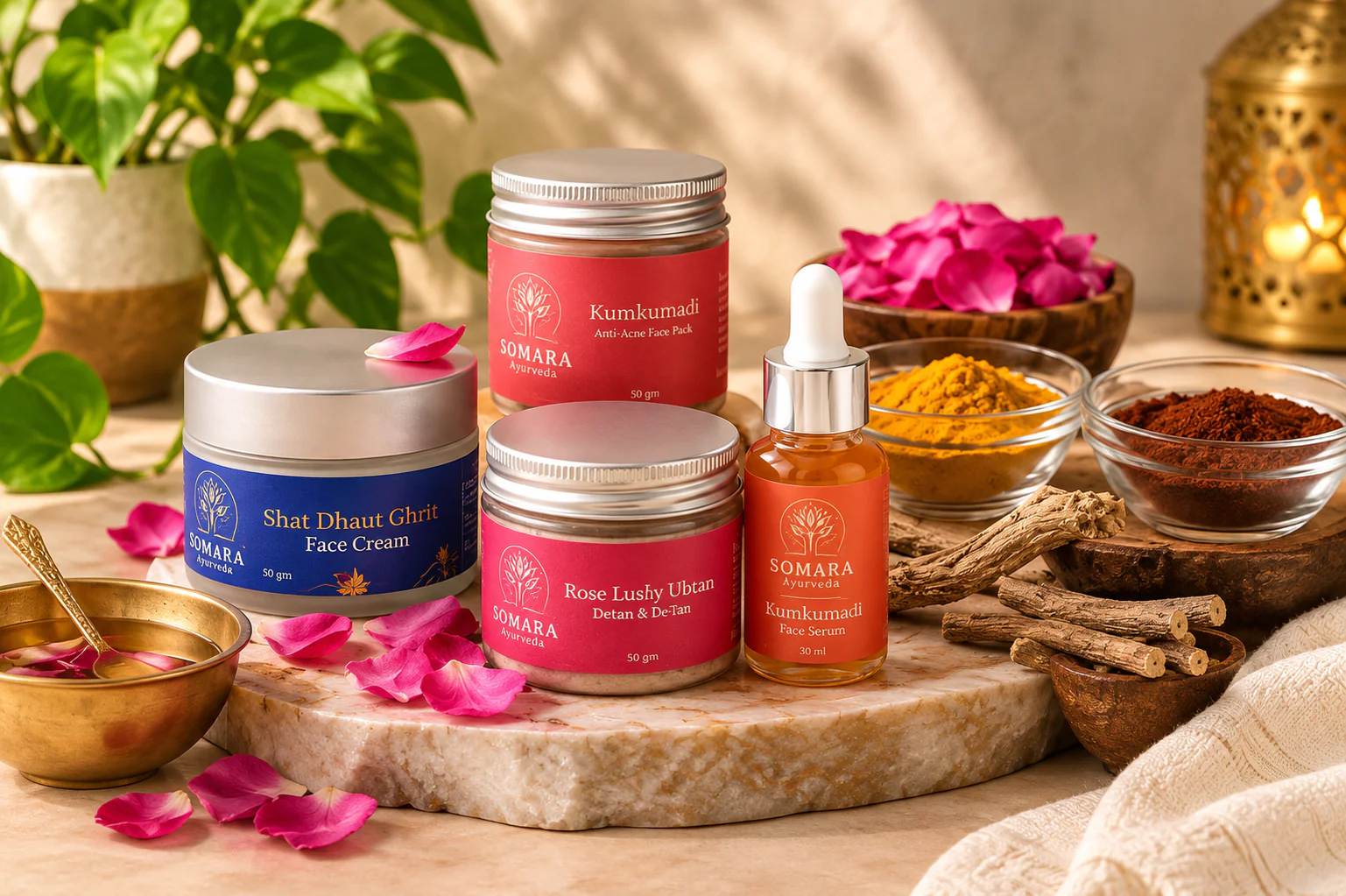
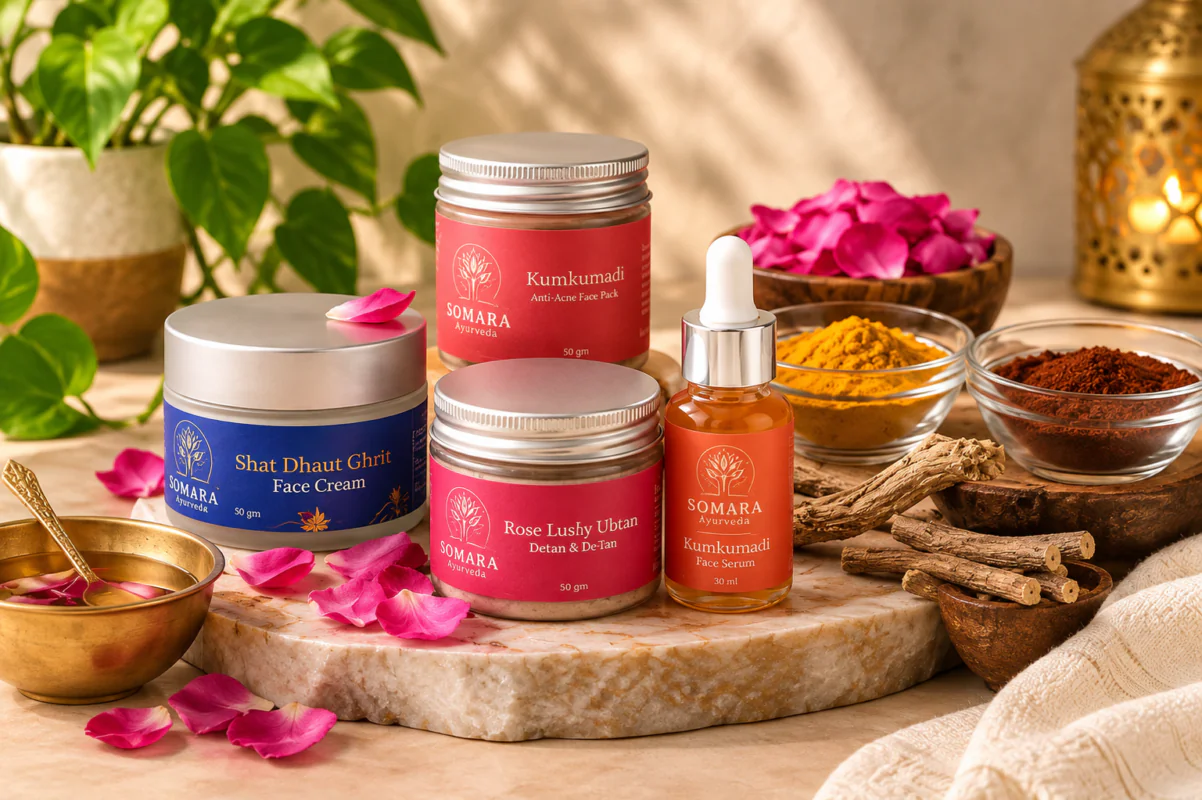
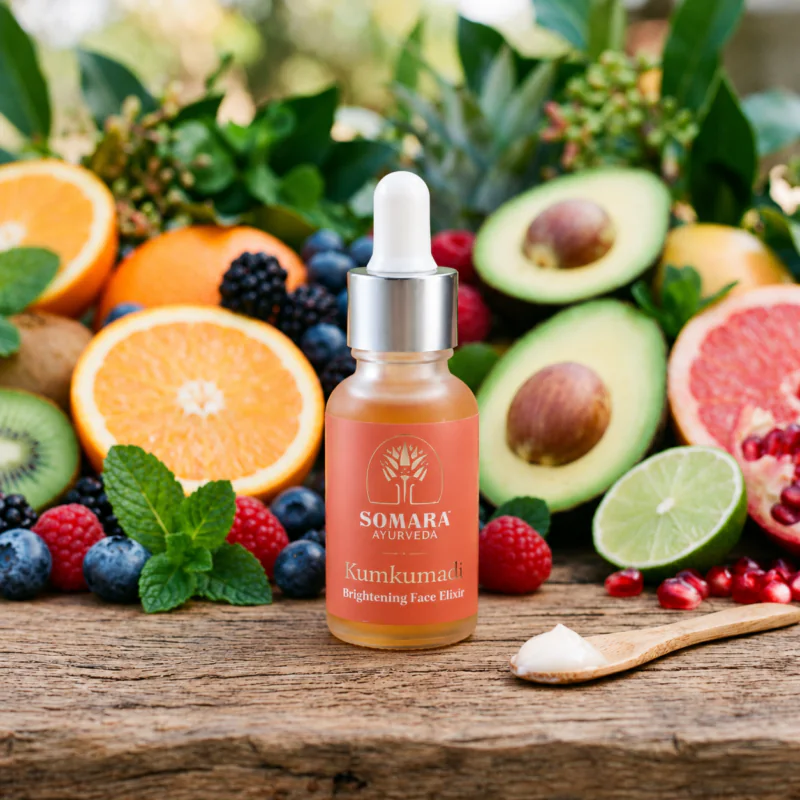
Dry skin can make your face feel tight, rough, flaky, or uncomfortable, especially after cleansing or during changes in weather. Choosing the right skincare products is important because dry skin often needs additional hydration and support to maintain a comfortable, smooth appearance. A face serum can be a useful addition to a daily skincare routine because its lightweight formula can deliver hydrating ingredients without necessarily feeling as heavy as a cream. However, not every serum is suitable for every skin type. Understanding your skin’s needs, checking the ingredients, and choosing a formula that suits your daily routine can help you make a more informed decision when searching for a Face Serum for Dry Skin.
At Somara Ayurveda, skincare can be approached with an emphasis on understanding individual skin needs and choosing products thoughtfully. When looking for the Best Face Serum for Dry Skin, it is important to consider more than product descriptions or popular ingredients. The right choice depends on whether your skin needs extra hydration, moisture retention, or a gentler formula because of sensitivity. A well-planned routine usually combines a suitable serum with a moisturizer and daily sun protection. This guide explains what to look for in a face serum, which ingredients may be helpful, how to apply it, and how to choose a product that supports your skincare goals.
Why Does Dry Skin Need a Face Serum?
Dry skin can occur when the skin lacks sufficient moisture and natural oils, making its surface feel rough, tight, or flaky. Some people naturally have dry skin, while others experience dryness because of cold weather, low humidity, hot showers, harsh cleansers, or excessive exfoliation. A face serum may help address specific skincare needs by providing concentrated ingredients in a lightweight formulation. Depending on its ingredients, a serum can attract water to the skin, improve the feeling of hydration, and complement the benefits of a moisturizer. However, a serum alone may not be enough to manage persistent dryness because the skin also needs support to reduce moisture loss.
When choosing a Face Serum for Dry Skin, look for a formula that fits your skin condition and works comfortably with the other products you use. Hydrating ingredients can help improve the feel of dry or dehydrated skin, while moisturizing creams help reduce water loss and keep the skin comfortable. If your face often feels tight after washing, consider reviewing your cleanser and moisturizer as well as your serum. A balanced routine is generally more useful than adding multiple products without understanding what your skin needs.
How to Choose the Best Face Serum for Dry Skin
Choosing the Best Face Serum for Dry Skin starts with identifying your primary concern. If your skin feels tight and lacks a fresh appearance, a hydrating serum may be a good option. If dryness occurs alongside redness, itching, or irritation, a simpler fragrance-free formula may be more appropriate. People with dry skin may also experience dehydration, which refers to a lack of water in the skin and can affect different skin types. This means that even skin that produces oil can feel dehydrated. Reading the product label and understanding the purpose of its ingredients can help you select a serum that matches your skin’s requirements.
Texture is another factor to consider. Some serums have a watery consistency that layers easily under moisturizer, while others contain richer ingredients that leave a more nourishing feel. The ideal texture is one that feels comfortable and does not cause persistent stinging, redness, or breakouts. Rather than choosing a serum only because it is popular, check whether its formulation suits your skin and whether the manufacturer provides clear instructions for use. At Somara Ayurveda, customers can use this approach when evaluating skincare options and selecting products according to their individual preferences and needs.
Ingredients to Look for in a Skin Serum for Dry Skin
The ingredients in a Skin Serum for Dry Skin are important because different ingredients support hydration in different ways. Humectants attract water, emollients help soften the skin, and occlusive ingredients help reduce moisture loss. A well-formulated skincare routine may combine these functions through a serum and moisturizer rather than expecting a single product to do everything. Checking the ingredient list can also help you identify ingredients you have previously tolerated well and avoid those that have caused irritation.
Hyaluronic acid and glycerin are common humectants used in hydrating skincare products. They help attract and retain water in the outer layers of the skin, which can make the skin feel smoother and more hydrated. Ceramides are lipids that help support the skin barrier, while ingredients such as squalane may help soften the skin and reduce the feeling of dryness. The benefits depend on the complete formulation, ingredient concentration, and how the product is used. No single ingredient guarantees a particular result, so it is better to evaluate the serum as a whole.
Hyaluronic Acid for Hydration
Hyaluronic acid is commonly included in facial serums because it helps attract water to the skin. For people experiencing tightness or dehydration, a serum containing this ingredient may help the skin feel more supple and comfortable. It can be particularly useful when applied according to the product directions and followed with a moisturizer that helps limit moisture loss. Although hyaluronic acid is widely used in skincare, its effectiveness depends on the formulation and the rest of the routine.
Glycerin for Moisture Support
Glycerin is another widely used humectant that attracts water and supports skin hydration. It is found in many cleansers, moisturizers, and serums because it can help improve the feel of dry skin. When choosing a serum, glycerin may be worth considering if your skin often feels rough or tight. A formula containing glycerin can work alongside a suitable moisturizer to help maintain a more comfortable skin surface.
Ceramides and Skin Barrier Support
Ceramides are lipids naturally found in the skin barrier. Skincare products containing ceramides can help support the barrier and reduce the feeling of dryness when used as part of an appropriate routine. People with dry skin may benefit from combining hydrating ingredients with barrier-supporting products instead of relying only on a water-based serum. If your skin is sensitive, choose products carefully and introduce new ingredients gradually.
How to Choose a Serum for Dry and Sensitive Skin
Selecting a Serum for Dry and Sensitive Skin requires additional care because sensitivity can make the skin more reactive to certain ingredients, fragrances, and strong active products. Signs of sensitivity may include stinging, redness, itching, or discomfort after applying skincare products. A shorter ingredient list and a fragrance-free formula may be a practical starting point, although no product can be guaranteed to suit everyone. It is also useful to avoid introducing several new skincare products at the same time, as this makes it more difficult to identify what may be causing a reaction.
Before applying a new serum to your entire face, perform a patch test according to the product instructions. If your skin tolerates the product, begin with the recommended frequency and observe how your skin responds. Avoid applying a new serum to broken or severely irritated skin unless a healthcare professional has advised you to do so. If dryness is accompanied by persistent redness, painful cracks, significant itching, or a rash, consult a dermatologist rather than relying on cosmetic products alone. Sensitive skin often benefits from a simple routine that prioritizes comfort and consistency.
What Makes the Top Best Face Serum for Dry Skin Worth Considering?
When comparing products described as the Top Best Face Serum for Dry Skin, focus on suitability, ingredient transparency, ease of use, and how the product fits into your existing routine. Marketing terms such as “best,” “natural,” or “intensive hydration” do not automatically establish that a serum is appropriate for your skin. Instead, read the product label, understand its intended purpose, and check whether the brand provides clear directions and relevant ingredient information. If you prefer Ayurvedic-inspired skincare, you can also explore products from Somara Ayurveda while checking the formulation and instructions of each individual product.
A good serum should be practical to use consistently and should work well with a moisturizer and sunscreen. Consider whether the product feels comfortable under other skincare products, whether it is suitable for your skin type, and whether its ingredients match your main concern. Avoid assuming that a product is suitable simply because it is plant-based or contains botanical extracts; natural ingredients can also cause irritation in some people. The most appropriate choice is the one that suits your individual skin needs and is used as directed.
How to Use a Face Serum for Dry Skin Correctly
Using a serum correctly can help it fit more effectively into your daily skincare routine. Start by cleansing your face with a gentle cleanser that does not leave the skin feeling stripped or tight. Follow the directions on your chosen serum, applying the recommended amount to clean skin. Some serums are intended for slightly damp skin, while others have specific application instructions, so the product label should guide your routine. Gently spread the serum without rubbing aggressively, and allow it to settle before applying your next product.
After applying the serum, use a moisturizer to help maintain hydration and reduce moisture loss. During the daytime, finish with a broad-spectrum sunscreen of SPF 30 or higher, applied according to its directions. At night, a gentle cleanser, serum, and moisturizer may be sufficient for many people with dry skin. Consistency matters more than using a large number of products, and adding too many new ingredients at once can increase the risk of irritation. If your serum causes ongoing burning, redness, or discomfort, stop using it and assess whether professional advice is needed.
Common Mistakes to Avoid When Choosing a Skin Serum for Dry Skin
One common mistake is expecting a serum to replace every other skincare product. Although a hydrating serum may help improve the feel of the skin, many people with dry skin also need a moisturizer to support the skin barrier and reduce water loss. Another mistake is selecting products based only on trending ingredients or online recommendations without considering individual skin needs. A product that works well for one person may not suit someone with sensitive skin, allergies, or a different skincare concern.
Over-exfoliating is another factor that can make dryness and irritation worse. Using several strong active ingredients together, washing the face with very hot water, or choosing a harsh cleanser may leave the skin feeling increasingly uncomfortable. Keep your routine simple while introducing a new serum, follow the product instructions, and avoid increasing the amount or frequency in the hope of getting faster results. If your skin remains persistently dry despite gentle skincare, consider whether environmental factors or an underlying skin condition may be contributing.
How Somara Ayurveda Fits into Your Skincare Routine
Somara Ayurveda can be part of your skincare research when you are comparing products and looking for an approach that aligns with your personal preferences. Before choosing a specific serum, review the available product information, ingredient list, directions, and any warnings provided by the manufacturer. Select a product based on what your skin needs rather than relying on broad claims or assuming that every serum from a particular skincare category will offer the same benefits.
If you are exploring a Skin Serum for Dry Skin, focus on hydration, comfort, and compatibility with your other products. A suitable serum may complement a gentle cleanser and moisturizer, while daytime sunscreen helps protect your skin from ultraviolet radiation. Introduce products gradually and pay attention to how your skin responds over time. Since individual skin needs differ, the best routine is one that is manageable, comfortable, and based on clear product information rather than complicated steps or unrealistic promises.
Conclusion
Choosing the Best Face Serum for Dry Skin involves understanding your skin’s needs, reviewing ingredients, and selecting a formula that fits comfortably into your daily routine. Hydrating ingredients such as hyaluronic acid and glycerin can help attract water to the skin, while ceramides and appropriate moisturizers can support the skin barrier and help reduce moisture loss. For people with sensitive skin, a gentle, fragrance-free product and a careful introduction process may be especially helpful.
For those exploring skincare options through Somara Ayurveda, it is worth comparing each product’s ingredients and instructions before making a decision. Remember that a serum works best as part of a balanced routine that includes gentle cleansing, moisturizing, and daily sun protection. Avoid choosing a product solely because it is described as the top or best option; instead, look for a formula that suits your skin and use it consistently according to the manufacturer’s directions.
FAQs
1. Which face serum is best for dry skin?
The best face serum for dry skin depends on your individual needs and skin tolerance. Products containing humectants such as glycerin or hyaluronic acid may help improve hydration, while a moisturizer can help reduce moisture loss. Review the ingredients and product directions before choosing a serum.
2. Can I use a face serum every day for dry skin?
Many hydrating serums are designed for daily use, but the recommended frequency depends on the formulation. Follow the manufacturer’s instructions and introduce the product gradually if you have sensitive skin. Stop using it if you experience persistent irritation.
3. Which ingredients should I look for in a skin serum for dry skin?
Hyaluronic acid and glycerin are common hydrating ingredients, while ceramides can help support the skin barrier. Squalane may help soften the skin. The suitability of a serum depends on its complete formulation and your skin’s individual response.
4. Is a serum for dry and sensitive skin different from a regular face serum?
A serum for dry and sensitive skin should ideally be gentle and compatible with reactive skin. Some people prefer fragrance-free formulas with fewer potential irritants, but sensitivity varies. Patch-test new products and seek professional advice if irritation persists.
5. Should I apply moisturizer after using a face serum for dry skin?
Yes, applying a moisturizer after a hydrating serum is generally helpful for dry skin. The serum may provide hydration, while the moisturizer helps reduce moisture loss and supports skin comfort. During the day, finish your routine with broad-spectrum sunscreen of SPF 30 or higher.