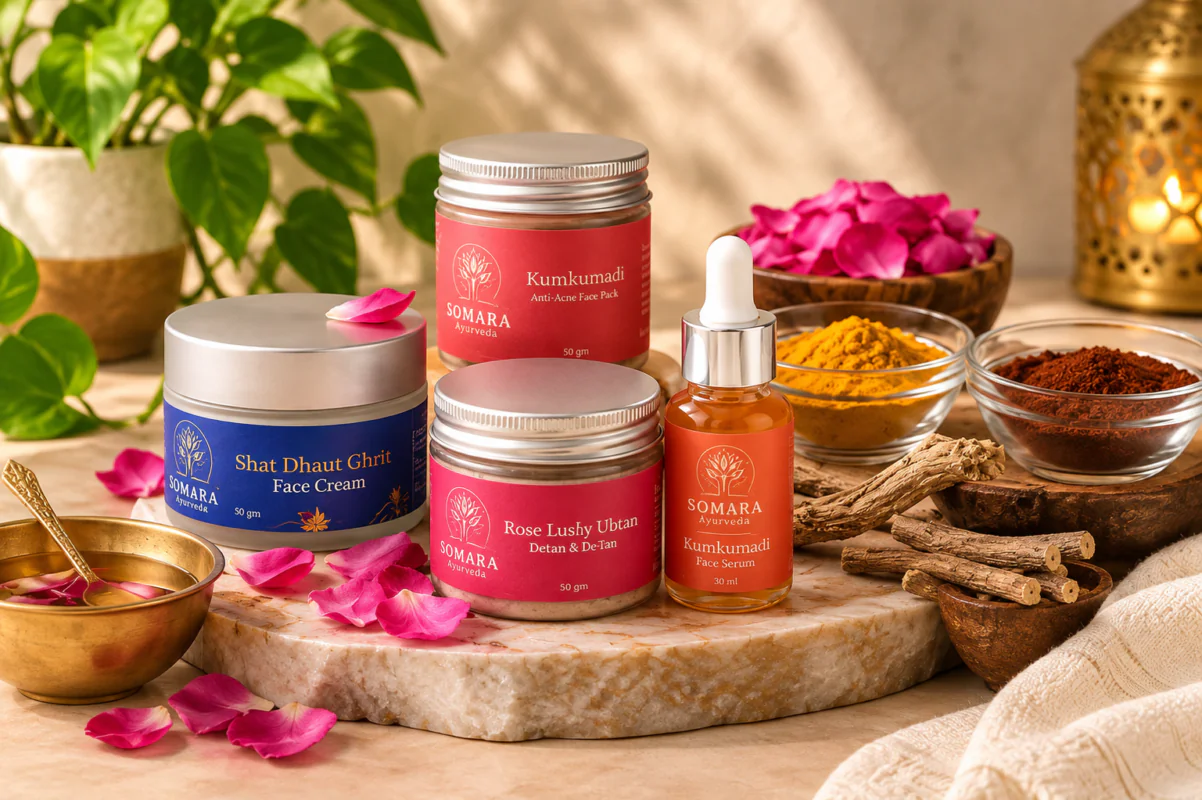
Dry and sensitive skin often needs extra care because it can feel tight, rough, uncomfortable, or easily irritated by certain skincare products. Changes in weather, frequent cleansing, hot showers, low humidity, and the use of harsh skincare ingredients can contribute to dryness and a weakened skin barrier. Choosing the right Face Serum can help support skin hydration, improve the appearance of rough texture, and make a skincare routine more comfortable. However, not every serum is suitable for every skin type. The right choice depends on the skin’s hydration needs, ingredient tolerance, product formulation, and how the serum fits into your existing routine.
For people looking for a Face Serum for Dry Skin, the priority should be hydration and barrier support rather than strong exfoliation or an instant brightening effect. A suitable Serum for Dry Skin may contain ingredients such as hyaluronic acid, glycerin, panthenol, or other moisturising components that help the skin retain water and feel softer. At Somara Ayurveda, a thoughtful approach to skincare means paying attention to ingredients, individual skin needs, and consistent daily care. Whether you are comparing options to find the Best Skin Face Serum for Dry Skin or choosing your first Best Face Serum, understanding how serums work can help you make a more informed decision.
What Is a Face Serum and How Does It Work?
A Face Serum is a skincare product formulated to deliver selected ingredients in a lightweight or concentrated formulation. Depending on its ingredients, a serum may focus on hydration, skin texture, the appearance of uneven tone, or other specific skincare concerns. Serums are generally applied after cleansing and before moisturiser, although the precise order can vary according to the product’s instructions. Unlike a moisturiser, which is designed to provide moisture and help reduce water loss, many serums focus on delivering ingredients that address particular needs.
For dry and sensitive skin, hydration-focused formulations are often a sensible starting point. A serum containing humectants can help attract water to the outer layers of the skin, while a suitable moisturiser helps maintain comfort and reduce moisture loss. This combination can be more effective for managing everyday dryness than relying on a serum alone. It is also important to remember that a higher concentration of active ingredients does not automatically make a product better. A well-formulated serum that your skin tolerates comfortably may be more useful than a strong formula that causes irritation.
Why Does Dry, Sensitive Skin Need Special Care?
Dry skin may produce or retain less of the oil and moisture needed to maintain a comfortable skin surface. Sensitive skin, meanwhile, may react more readily to particular ingredients, fragrances, environmental changes, or excessive use of skincare products. When dryness and sensitivity occur together, the skin may feel tight after washing, look flaky, or develop temporary redness and stinging when new products are applied. These symptoms can have different causes, so persistent or severe irritation should not automatically be treated as a simple dryness problem.
A suitable Face Serum for Dry Skin should support hydration without introducing unnecessary irritants. Products with a short, clearly labelled ingredient list may be easier to evaluate when you are trying to identify what your skin tolerates. However, a shorter ingredient list does not guarantee that a product will suit everyone, and naturally derived ingredients can also cause irritation or allergic reactions. The best approach is to select a formula based on its ingredients, use it consistently as directed, and introduce new products one at a time.
Key Ingredients to Look for in a Serum for Dry Skin
1. Hyaluronic Acid for Hydration
Hyaluronic acid is a humectant used in many skincare formulations because it helps attract and hold water in the skin’s outer layers. A hydrating serum containing this ingredient may help dry skin feel more supple and temporarily improve the appearance of fine lines associated with dehydration. Hyaluronic acid is available in different formulations, so the overall product composition matters as much as the ingredient name.
For people choosing a Serum for Dry Skin, a hyaluronic acid formula can be a useful option when followed by a moisturiser. Apply it according to the label, often to slightly damp skin if the instructions allow, and then use a moisturiser to help reduce moisture loss. If a product causes persistent tightness, stinging, or redness, stop using it and reassess the formulation rather than assuming that irritation is a normal part of the process.
2. Glycerin to Support Moisture Retention
Glycerin is another widely used humectant that helps attract water to the skin’s outer layers. It can be beneficial in products designed for dry skin because it supports hydration and helps improve the feel of rough or tight skin. Glycerin is often included alongside other moisturising ingredients, allowing the formulation to support skin comfort without relying on a single active ingredient.
When comparing the Best Skin Face Serum for Dry Skin, look beyond marketing claims and review the ingredient list. A serum containing glycerin, for example, may be a practical choice if your main concern is dehydration rather than acne, pigmentation, or exfoliation. The formulation should also suit your preferences in terms of texture, fragrance, and how it layers with your daily moisturiser.
3. Panthenol for Skin Comfort
Panthenol, also known as provitamin B5, is used in skincare products for its moisturising and skin-conditioning properties. It may help support a comfortable skin feel, making it a useful ingredient to consider when dryness is accompanied by roughness or a feeling of tightness. Its suitability still depends on the complete formula and the individual’s response to the product.
If your skin is easily irritated, start with a simple routine rather than combining several new serums at once. A product with moisturising ingredients and no unnecessary fragrance may be a reasonable starting point, particularly if your skin is currently uncomfortable. If you experience persistent burning, swelling, or worsening redness, discontinue the product and seek professional advice when appropriate.
4. Ceramides and Barrier-Supporting Ingredients
Ceramides are lipids naturally found in the skin barrier. Skincare products containing ceramides may help support the barrier and reduce moisture loss when used as part of a suitable moisturising routine. Other ingredients, including squalane and certain emollients, can also help soften the skin and improve its overall feel.
For very dry skin, a serum alone may not provide enough lasting comfort. Consider pairing a hydrating serum with a moisturiser containing barrier-supporting ingredients. This layered approach helps address two different needs: increasing water content in the outer skin layers and reducing the loss of moisture. When choosing the Best Face Serum, consider how it works with the rest of your routine rather than evaluating the product in isolation.
How to Choose the Best Face Serum for Dry, Sensitive Skin
Understand Your Skin’s Main Concern
Start by identifying what you want the serum to address. If your skin feels tight after cleansing or appears flaky, hydration should be the first priority. If it feels rough and uncomfortable, look for a gentle moisturising formulation rather than immediately choosing a strong exfoliating serum. If you are also concerned about uneven skin tone, consider whether your skin is comfortable with your current routine before introducing ingredients intended to address pigmentation.
Choosing a product based on your main concern makes it easier to compare options and avoid buying multiple products with overlapping functions. Somara Ayurveda encourages a considered approach to skincare in which product selection is based on individual needs and ingredient suitability. Check the product label and follow the manufacturer’s directions, especially if the serum contains active ingredients that may not be suitable for daily use by everyone.
Check the Fragrance and Ingredient List
Fragrance, essential oils, and certain active ingredients can trigger irritation in some people with sensitive skin. They do not affect everyone in the same way, but a fragrance-free formulation may be a sensible option if you have a history of reactions to scented skincare. Also pay attention to exfoliating acids, retinoids, and high-strength brightening products, which may require more careful introduction depending on the formula and your skin’s tolerance.
Do not rely on claims such as natural, herbal, or gentle as a guarantee that a product will not cause a reaction. Read the complete ingredient list, review any warnings, and consider whether the product contains ingredients you have previously found irritating. A product that suits a friend or a family member may not be the right option for your skin.
Choose a Comfortable Texture
Serums may have watery, gel-like, or slightly richer textures. For dry skin, the most suitable texture is one that spreads comfortably, layers well with moisturiser, and does not leave your skin feeling excessively tight. A very lightweight product may feel pleasant but might not provide sufficient moisture on its own, while a richer formulation may be preferable for some people depending on their climate and routine.
The Best Face Serum is not necessarily the most expensive or the one with the most elaborate ingredient list. It is a product that addresses your primary concern, fits your daily routine, and can be used consistently without causing unwanted reactions. If possible, purchase from a reliable source and review the manufacturer’s usage instructions before application.
How to Use a Face Serum in Your Daily Skincare Routine
Using a serum correctly is just as important as choosing the right formula. Begin by cleansing your face with a gentle cleanser that does not leave your skin feeling stripped. Apply the serum according to its instructions, using the recommended amount rather than assuming that more product will deliver faster results. Allow it to settle before applying your moisturiser, and use sunscreen during the daytime to protect your skin from ultraviolet radiation.
A simple morning routine may include a gentle cleanser, a hydrating Face Serum, a moisturiser, and broad-spectrum sunscreen with SPF 30 or higher. In the evening, cleanse your face, apply your serum if appropriate, and finish with moisturiser. If your skin is particularly dry, you may need a richer moisturiser, especially in cold or low-humidity conditions. Avoid adding several new products at once because doing so makes it harder to identify the cause if irritation develops.
Consistency matters, but results vary. Hydration-related improvements in skin comfort may appear relatively quickly, while changes in texture or other concerns can take longer and depend on the product and the underlying cause. A serum cannot replace appropriate medical care for conditions such as eczema, rosacea, or persistent dermatitis.
How Somara Ayurveda Fits into a Thoughtful Skincare Routine
When exploring skincare options from Somara Ayurveda, consider the specific purpose of each product and whether its formulation suits dry, sensitive skin. Read the product description, complete ingredient list, application directions, and any precautions before making a purchase. If you are comparing a Face Serum for Dry Skin, prioritise the ingredients that match your main concern, such as hydration and barrier support, instead of choosing a product solely because it promises multiple benefits.
An informed skincare routine does not need to include a large number of products. In many cases, a gentle cleanser, a suitable serum, a moisturiser, and daily sunscreen provide a practical foundation. If Somara Ayurveda offers a serum designed for your skin concerns, evaluate it against these criteria and follow its specific instructions. Avoid assuming that every botanical ingredient will suit sensitive skin; patch testing and gradual introduction remain useful precautions for new skincare products.
Before buying, consider your current routine, previous product reactions, preferred texture, and any active skincare ingredients you already use. If you have a diagnosed skin condition, are using prescription treatment, or experience frequent reactions, a dermatologist can help you decide which ingredients and product types are appropriate.
Common Mistakes to Avoid When Choosing a Face Serum
One common mistake is choosing a serum because it is described as powerful, intensive, or fast-acting without checking whether the ingredients suit sensitive skin. Strong exfoliants or multiple active ingredients may be unnecessary when the main concern is dryness. Another mistake is skipping moisturiser after using a hydrating serum. Humectants attract water, but the overall routine should also help maintain skin comfort and limit moisture loss.
It is also unhelpful to change products every few days in search of immediate results. Frequent switching can make it difficult to evaluate whether a product is suitable and may expose sensitive skin to more ingredients than necessary. Introduce one new product at a time, follow its instructions, and stop using it if you develop a concerning reaction. Persistent redness, itching, scaling, swelling, or burning may need assessment by a healthcare professional rather than another cosmetic product.
Conclusion
Choosing the right Face Serum for Dry Skin starts with understanding your skin’s needs and selecting ingredients that support hydration and comfort. Humectants such as hyaluronic acid and glycerin can help attract water, while panthenol, ceramides, and suitable moisturising ingredients may support a more comfortable skin barrier. However, the complete formulation, your existing routine, and your individual tolerance are all important when deciding whether a product is appropriate.
For anyone comparing the Best Skin Face Serum for Dry Skin or looking for the Best Face Serum, a gentle, consistent approach is usually more useful than chasing complicated routines or instant results. Explore the skincare options available from Somara Ayurveda, read product labels carefully, and choose products according to your specific needs. With a suitable serum, a supportive moisturiser, gentle cleansing, and daily sun protection, you can build a routine that helps dry, sensitive skin feel more comfortable over time.
FAQs
1. Which Face Serum is best for dry, sensitive skin?
A hydrating serum containing ingredients such as glycerin, hyaluronic acid, or panthenol may be a good starting point for many people. The best choice depends on the complete formulation, your skin’s tolerance, and any existing skin conditions.
2. Can I use a Face Serum for Dry Skin every day?
Many hydrating serums are designed for daily use, but always follow the product label. Introduce a new product gradually if your skin is sensitive, and discontinue use if it causes persistent irritation.
3. Should I apply moisturiser after a Serum for Dry Skin?
Yes, in most routines a moisturiser should follow a hydrating serum. The serum can help increase hydration in the outer skin layers, while the moisturiser helps maintain comfort and reduce moisture loss.
4. How long does a Face Serum take to show results?
The time varies according to the ingredients and the concern being addressed. Hydration and skin comfort may improve relatively quickly, while changes in texture or uneven tone can take longer. Results are not guaranteed and depend on individual skin needs.
5. Is a natural or Ayurvedic Face Serum always suitable for sensitive skin?
No. Natural and Ayurvedic ingredients can still cause irritation or allergic reactions in some individuals. Check the complete ingredient list, follow usage directions, and patch test new products before applying them widely. If you have persistent skin symptoms, seek advice from a qualified dermatologist.